Student – Lama la, I’m always concerned when I read of the high prevalence of non-communicable diseases (NCDs) in the world. What can we do to prevent this trend from worsening? Could the conclusions of the recent Conscious Food Summit provide a practical way forward?
Master – The summit’s goals were noble, but turning speeches into action that improves the lives of ordinary people requires practical measures backed by strong political and social will.
For many people today, instant noodles, potato chips, and sugary drinks have become part of everyday life. Their frequent consumption, together with diets high in polished white rice, unhealthy fats, and salt, is contributing significantly to the growing burden of NCDs, including type 2 diabetes, cardiovascular disease, hypertension, and chronic kidney disease.
Genes can increase susceptibility to NCDs, but for most common NCDs, they rarely make illness inevitable. Like a seed whose growth depends on favourable conditions, genetic susceptibility is more likely to manifest as disease when combined with unfavourable lifestyle factors. Poor diet, physical inactivity, and tobacco use, on the other hand, increase disease risk even in the absence of a known genetic predisposition.
Recognising these risks may encourage some individuals to adopt healthier dietary choices. However, for most, awareness of these dangers is insufficient to motivate behavioural change.
In reality, our eating habits are shaped by what we are used to, what we see advertised, and what those around us eat. These habits are often passed from one generation to the next, making change difficult. Addressing this requires collective action through education, media, and public policy.
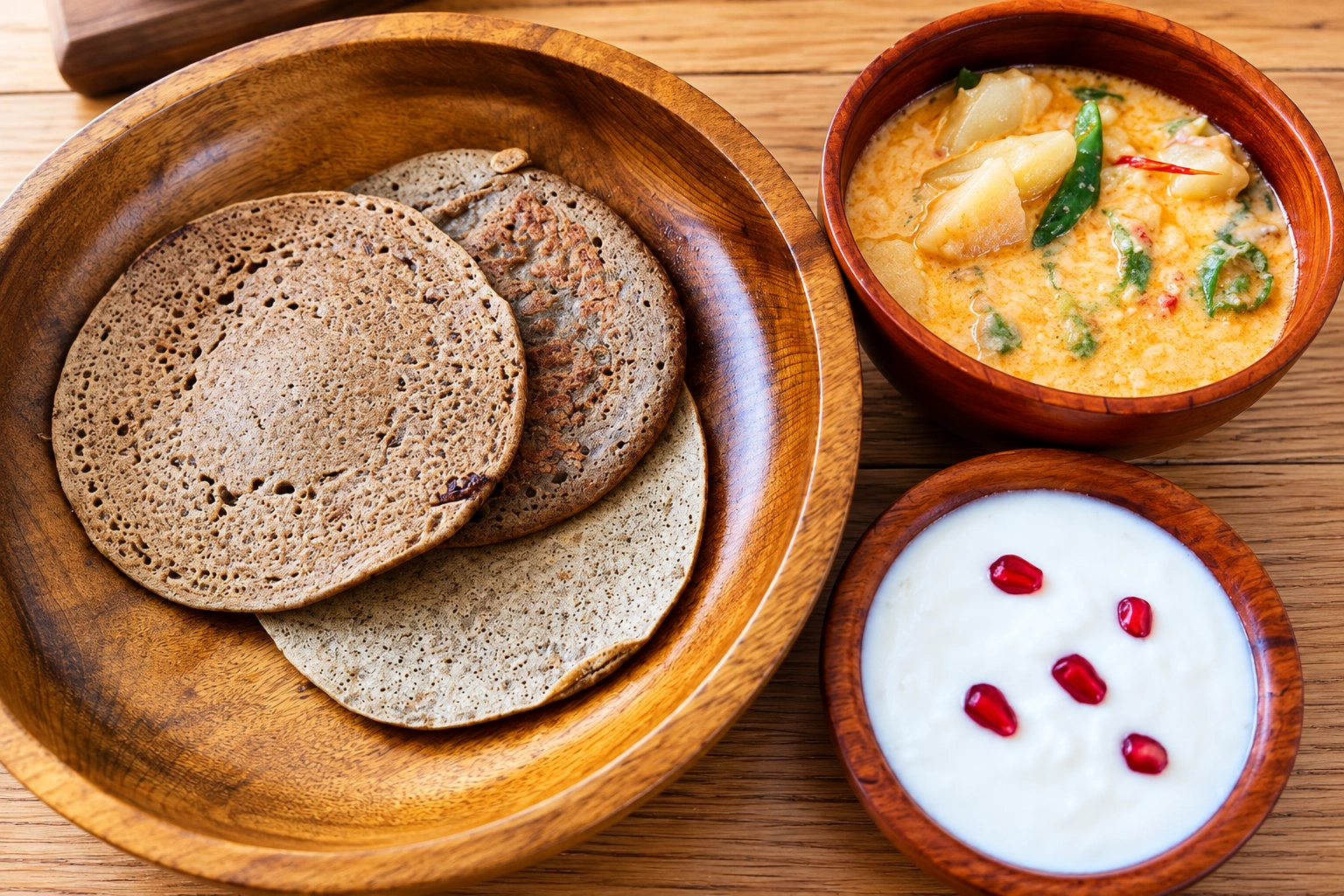
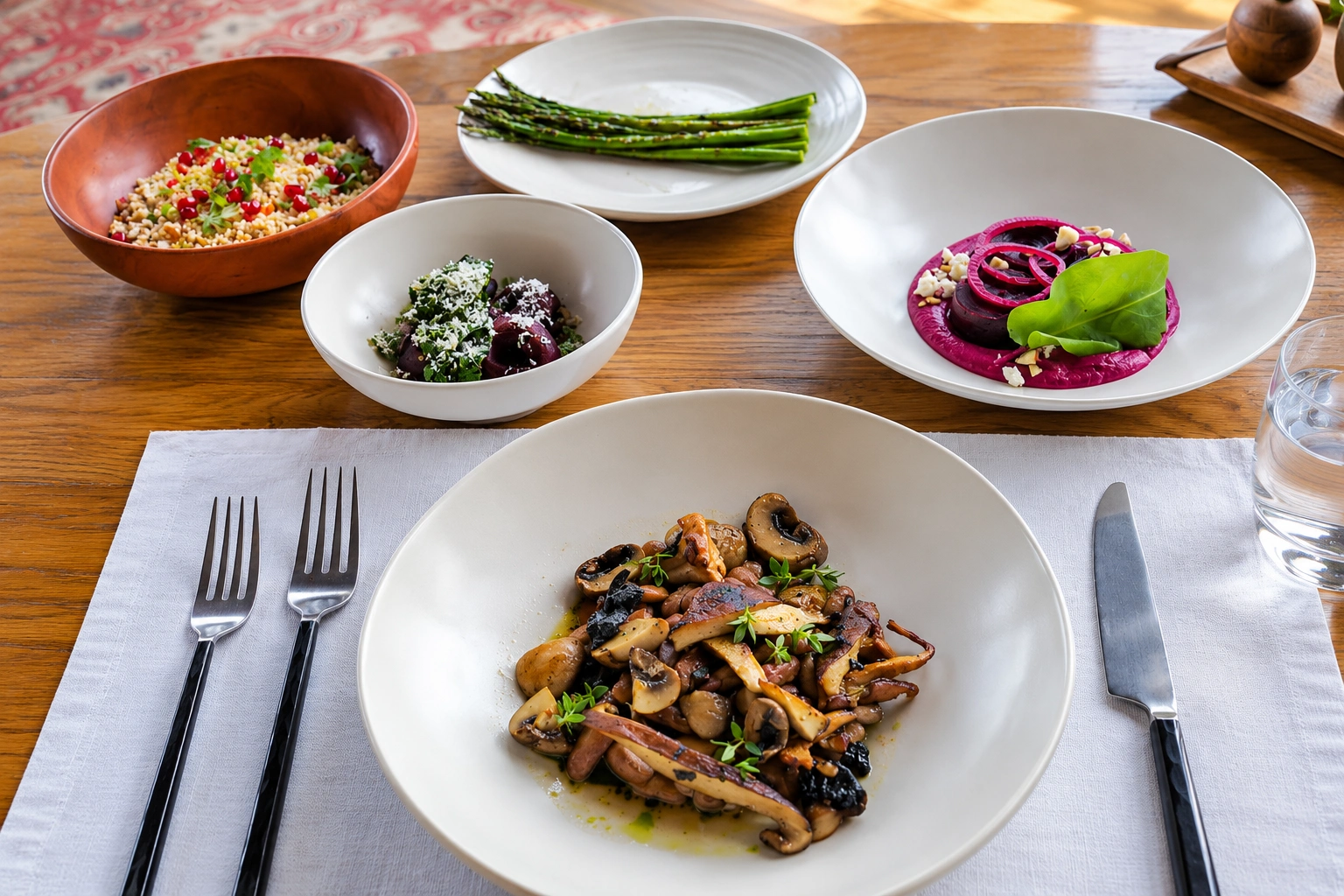
Importantly, dietary change does not mean abandoning familiar eating habits, but adapting them. Buckwheat, quinoa, legumes, and healthier breads such as multigrain and sourdough are already familiar or readily available in our urban food culture and could be incorporated more widely into everyday meals.
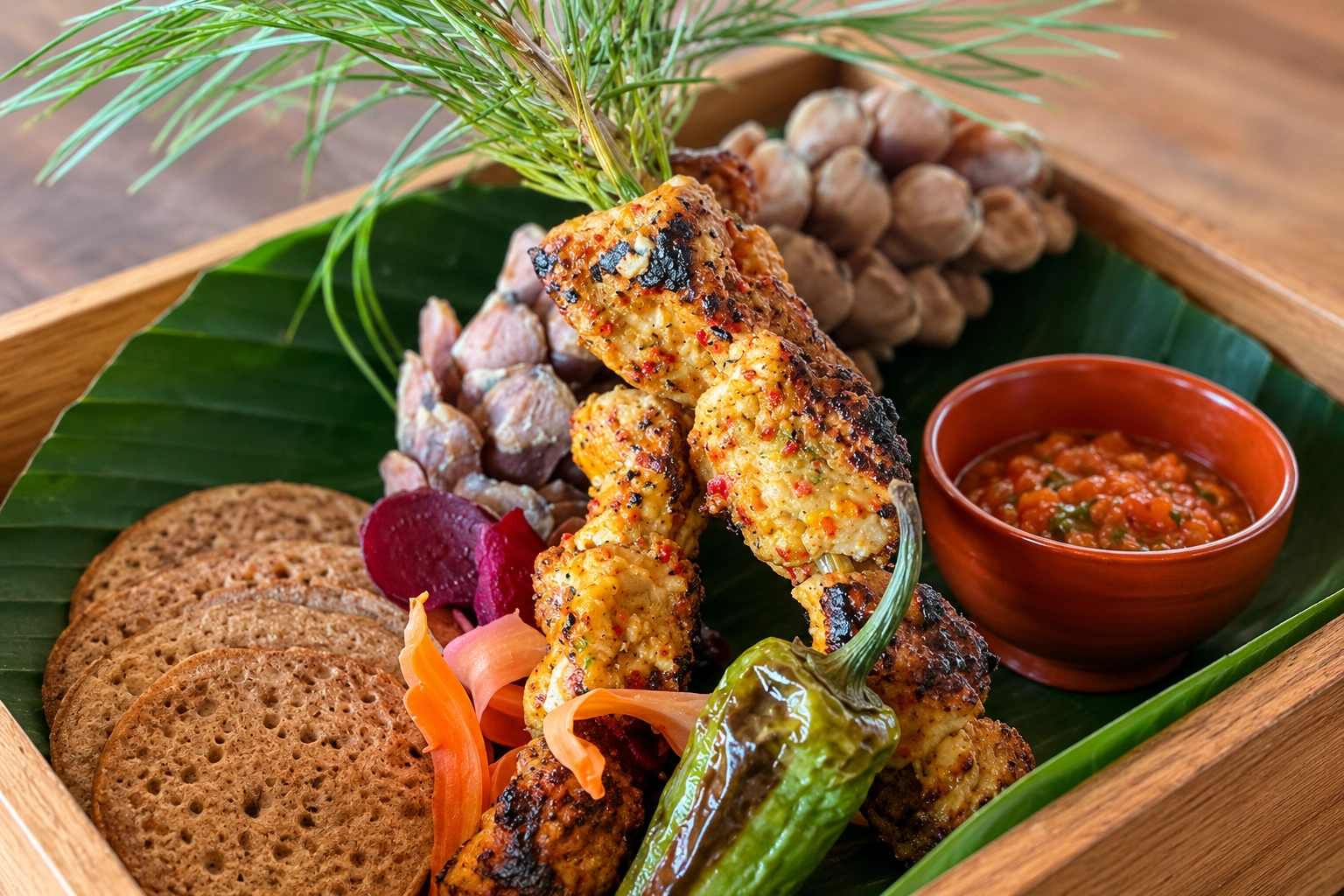
Traditional foods (Buckwheat) such as khule, puta, and hoentey demonstrate that healthier choices need not be culturally foreign. For those who prefer white rice, adopting meal proportions similar to those found in East Asian diets — with greater emphasis on vegetables and bean-based foods and smaller portions of rice — can enhance nutritional diversity without requiring drastic changes to established eating patterns.
Education is an obvious place to start in shaping healthier habits from an early age. Unfortunately, schools today are largely focused on academic performance and preparing students to pass exams, while healthy living, emotional resilience, Buddhist wisdom, and parenting receive little or no attention.
Personally, I believe education should focus on helping young people become mentally and physically strong, authentic, resilient, self-aware, and able to live in harmony with others and our world. These are the real qualities needed to navigate an increasingly unstable and uncertain world.
In truth, school curricula worldwide have become too narrowly focused on academic achievement, neglecting the whole person, the need for play, and our connection with nature and what it means to be human. The consequences are increasingly visible — in strained families, fragmented communities, rising mental health problems and suicide, and growing pressures on our planet.
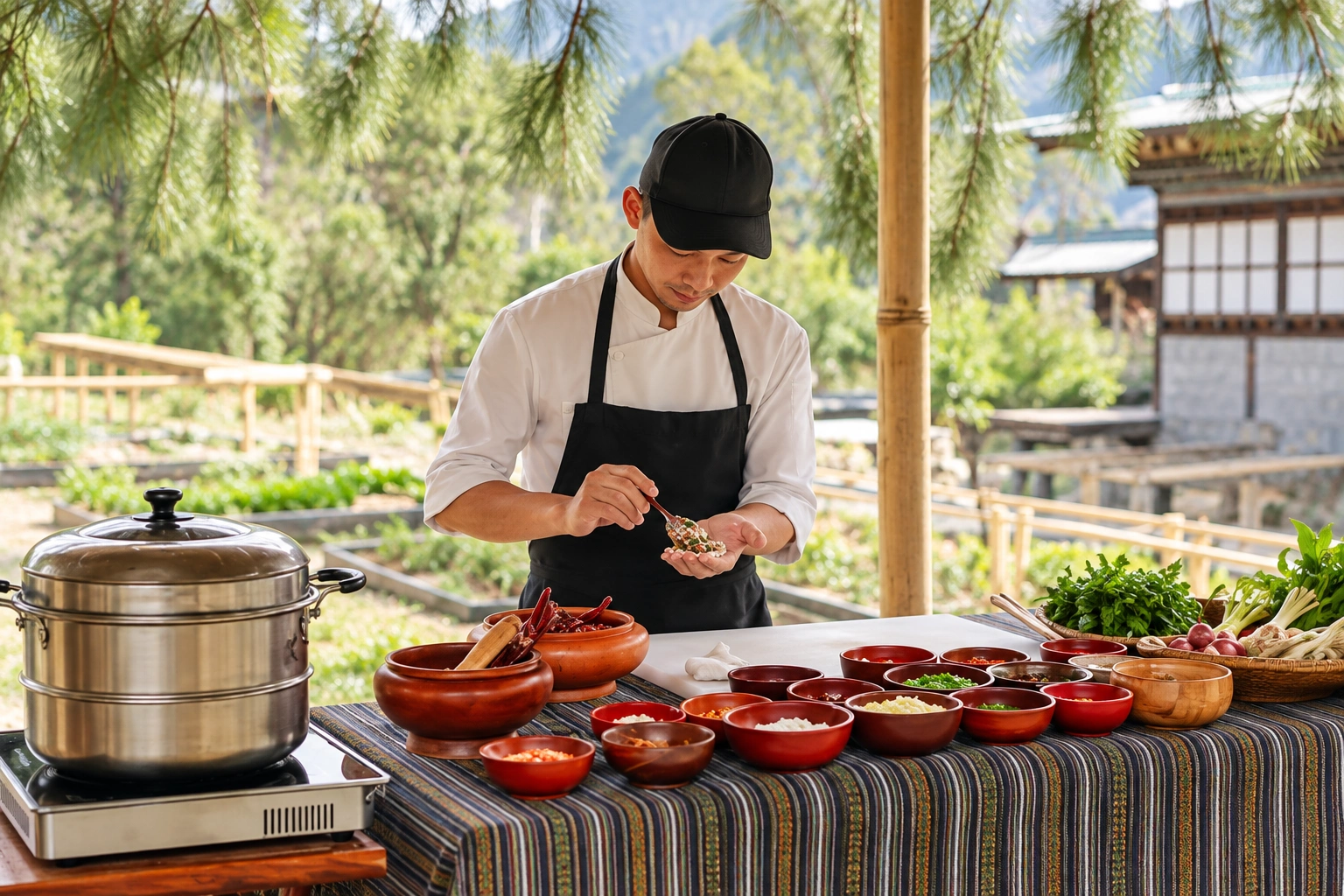
Beyond the classroom, organizations could partner with podcast producers, chefs, and celebrities to create engaging programmes demonstrating how to prepare affordable meals using familiar ingredients while reducing salt, sugar, and fat. The credibility and public reach of these figures would make such messages both practical and appealing to households that formal health campaigns often struggle to reach.
Of course, such initiatives require investment, but the cost will be minuscule when compared with the long-term healthcare savings from treating NCDs.
Whatever the approach, the message should be clear: being healthy does not mean giving up what we enjoy. Healthier food choices should instead be presented as affordable, familiar, and appealing. When healthy behaviours become socially normal, people are more likely to adopt them.
Dietary change is central to NCD prevention. While education and individual choices can gradually shift food culture, policy can accelerate this change by reshaping the food environment.
In this respect, governments could explore the idea of introducing taxes on processed and packaged foods and beverages high in added sugar, salt, and saturated fat, such as instant noodles, potato chips, and sugary drinks, using clear nutritional criteria to determine which products would be subject to taxation.
Carbonated drinks such as Coke, Sprite, and Fanta, for example, contain a staggering 9–10 teaspoons of added sugar per 330 ml can. Regular consumption can, therefore, substantially increase sugar and calorie intake, making sugar-sweetened beverages clear candidates for targeted taxation.
As an added benefit, these measures could encourage the growth of local industries producing healthier versions of instant foods and snacks, creating employment opportunities while providing consumers with alternatives to the imported products currently available.
Moreover, supporting buckwheat and quinoa production, and enabling fruit vendors with running water and washing facilities to prepare fresh, unsweetened drinks on site — as is common in many countries — could make healthier choices more accessible while supporting local producers. Licensing procedures should facilitate, rather than hinder, such initiatives.
Ultimately, as individuals, we should remember that body and mind are interconnected. A healthy lifestyle benefits not only our physical health but also our energy, mood, and overall wellbeing, enhancing our quality of life.
The Conscious Food Summit has planted seeds for change. Let us not allow them to remain dormant by treating the Summit merely as a diplomatic achievement or, as so often happens with such events, letting its inspiring words fade into YouTube Shorts and TikTok sound bites, set against backdrops of sunsets and waterfalls.
Instead, let us nurture those ideas and turn them into practical action that improves the lives of ordinary people across the country and the world. As a small nation, we have a unique opportunity to become a trendsetter and role model for healthy living, just as we have in forest conservation. Achieving this, however, will require commitment, sustained action, and, above all, the courage to take risks and think outside the box.