Student – Hi Lama la, I recently visited my ancestral village. While it was disheartening to see many empty houses, I was encouraged to find that several old homes had been renovated with wooden wall panels and equipped with modern amenities such as geysers, showers, and washing machines. I was told that the money for these improvements came from children working in Australia. In the short term, this seems like a positive development for Bhutan. However, from what I hear, many of these children plan to remain overseas rather than return home. What does Lam think about this situation? What is the main reason young people prefer to stay abroad — is it primarily because salaries are higher in Australia? Lam must know many young people who have left for Australia; what do they share with you, la? And how can we encourage the young people to move back after a number of years?
Master – As you note, young Bhutanese working overseas and sending remittances home have contributed to both family livelihoods and the national economy. Even though significant, these benefits will fade if young people choose to settle overseas permanently and do not return with the skills and knowledge they have gained.
What have young people shared with me about returning? While they consistently express their deep love and affection for Their Majesties and speak movingly about missing their families and their country, the vast majority highlight the challenges of navigating approvals, permits, and the complex network of rules and regulations in Bhutan — even for relatively straightforward activities — as a major factor discouraging them from returning.
Rather than being encouraged to refine or adapt their proposals to meet regulatory requirements, they tell me that they are often met with outright refusal. Many describe this experience as deeply discouraging, with some going so far as to call it “a slap in the face.” The hashtags most commonly used to describe their experiences are #frustrating and #suffocating.
Moreover, these young people tell me that whenever they attempt to launch a new idea, officials often intervene to halt it. When they protest, emphasizing that their customers are satisfied, that no complaints have been raised, and that they are earning an honest living, the response is invariably: “It’s the rule.” Yet, as these young people argue, rules should serve the same purpose as traffic regulations: enabling the smooth flow of activity, not erecting unnecessary barriers.

In short, if all parties are satisfied and no-one is disturbed, why, they ask, should a rule, perhaps devised long ago under different circumstances, or by an office employee only loosely acquainted with realities on the ground, be permitted to override common sense and suppress innovation?
Young people sometimes even question whether such rules truly exist, suspecting instead that officials reject new ideas simply because it is easier and safer for them to do so. They confide that they hesitate to challenge the legitimacy of these rules or to approach a superior, fearing that such actions could jeopardize future applications.
I should emphasize that these points do not reflect my personal feelings or experiences; rather, they represent the sentiments expressed by most — if not all — of the young people I have spoken with who have moved overseas or who are planning to do so.
In this respect, beyond expanding opportunities for quality employment, which will be addressed through the development of GMC, there appears to be an urgent need for a dedicated task force that functions like a comb untangling knotted hair: eliminating superfluous rules and streamlining processes so that transactions are not only efficient, but genuinely user-friendly.

In addition, targeted staff training could help personnel guide applicants in aligning their proposals with requirements, or, when necessary, communicate refusals with clarity and empathy rather than abrupt rejection. This would not only encourage young people to continue submitting proposals and sustain innovation, but also make the officers’ work more fulfilling — after all, it cannot be easy to regularly turn away hopeful applicants and dash their aspirations.
Equally important is the establishment of a clear and accessible process for raising genuine grievances, ensuring that applicants feel heard and respected.
Following the Second World War, large numbers of people from Asian countries emigrated — primarily to the United States, the United Kingdom, and Australia — resulting in significant brain drain. Yet economies such as Japan, Taiwan, and Hong Kong, which responded to citizens’ needs, streamlined bureaucracy, expanded opportunity, and embraced innovation, not only stemmed the outflow of talent but eventually became magnets for overseas expertise. By contrast, countries that failed to adapt — most notably the Philippines — remained reliant on an economy sustained largely by remittances from migrant workers.
Guided by wise, compassionate, and skillful leaders — now joined by a younger generation of officials with broader exposure and the courage to take calculated risks for the public good — I am confident that the voices of young people will be heard. While we cannot control every challenge that arises, strategic decisions and bold actions can transform obstacles into opportunities, ensuring that policies and regulations, while safeguarding Bhutan’s profound Buddhist traditions, increasingly encourage innovation rather than stifle it.

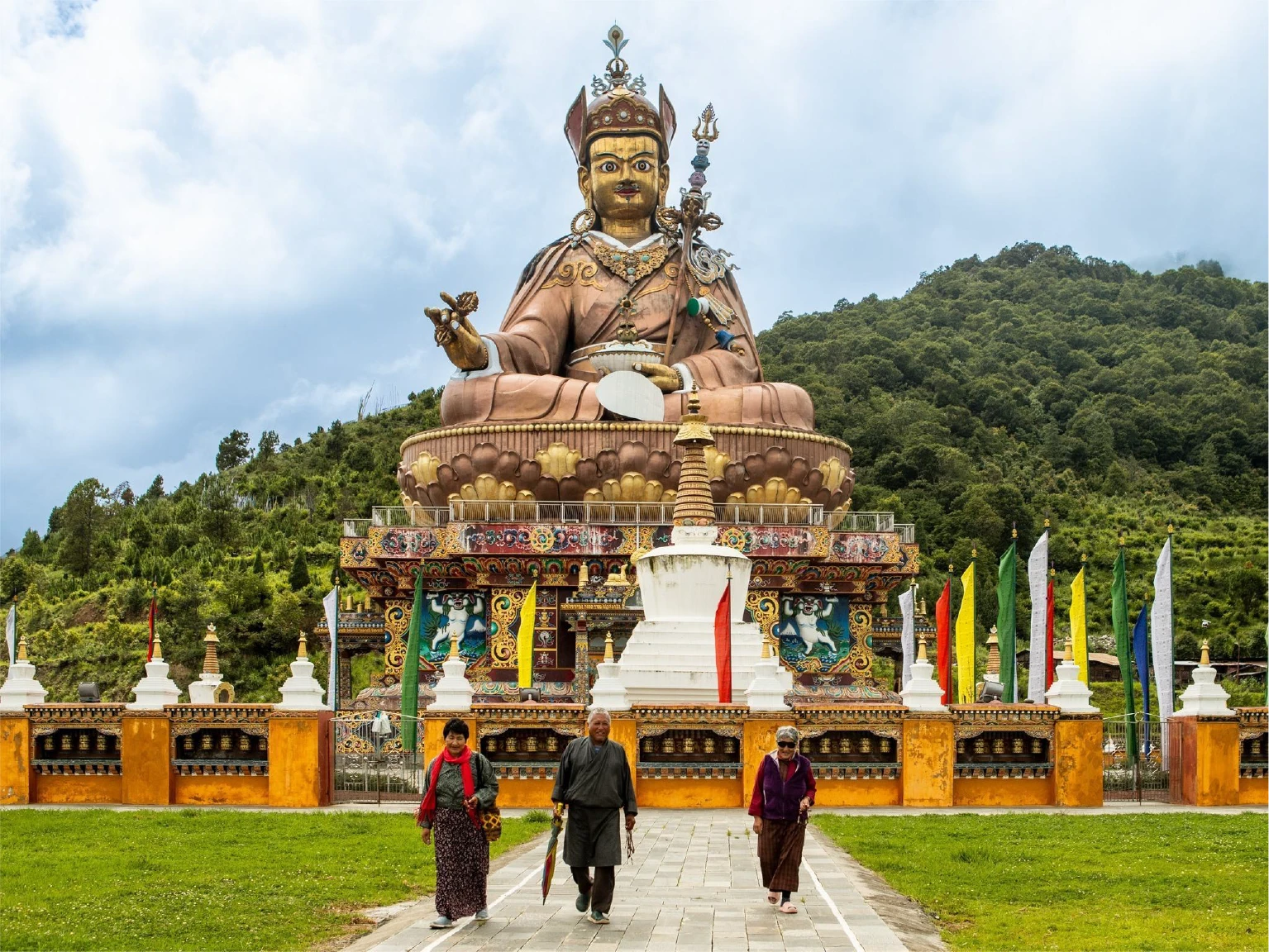
Moreover, I genuinely believe that Bhutan has been blessed by Guru Rinpoche and many great lamas over the centuries, and that wisdom and compassion will prevail, continuing to guide our path forward. As a result, our young people will be encouraged to return home.